
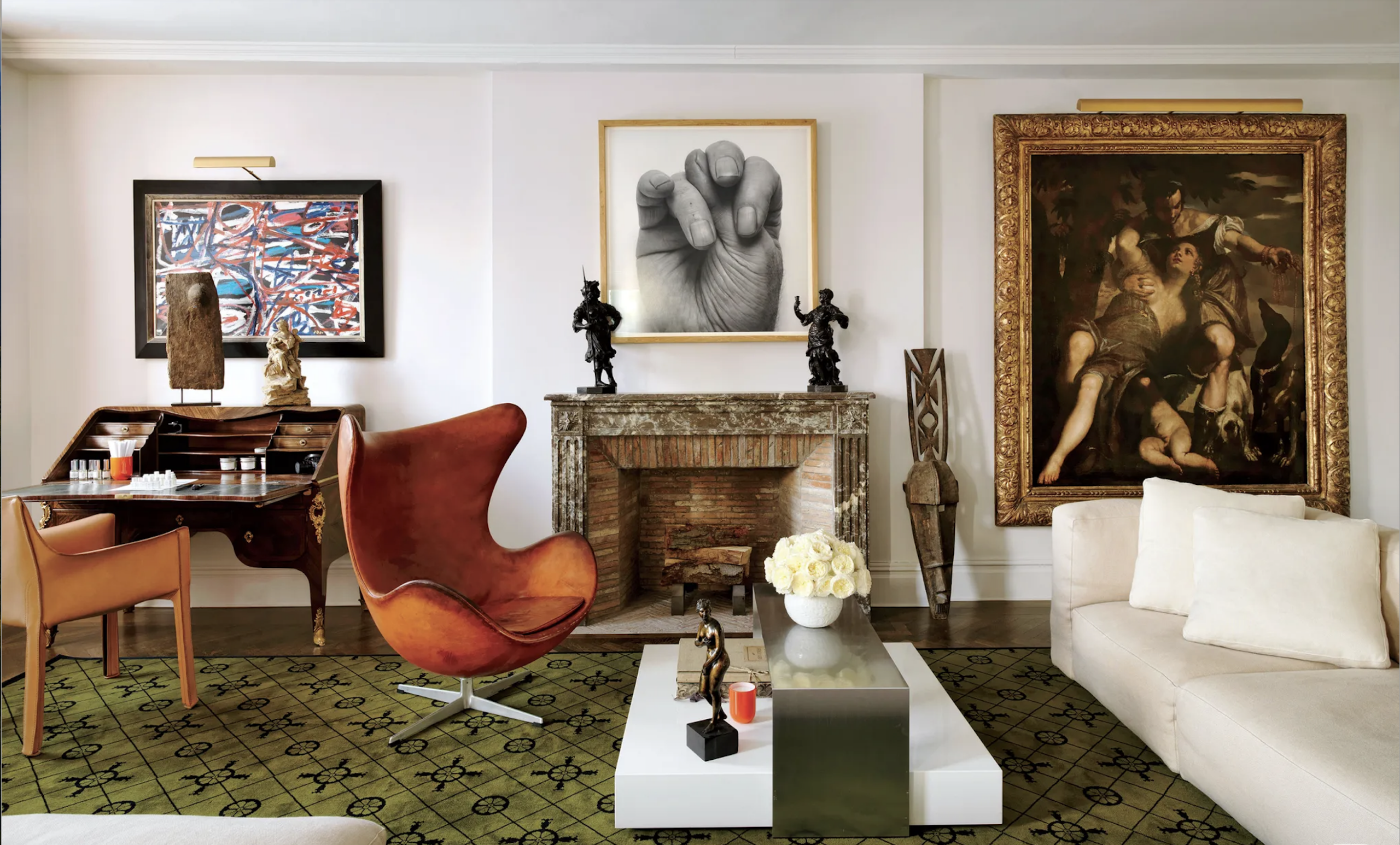
My love of art didn’t begin in an auction house or a gallery. It began in my grandparents’ home.
Long before I studied art history or built a career advising collectors, I remember wandering through their houses, fascinated by the paintings on the walls. I asked endless questions. Who made this? Why did they buy it? What does it mean?
Looking back, I realize those moments shaped everything that came after. Art wasn’t something reserved for museums – it was part of everyday life in my family’s home, and now mine.
Today, one of my greatest joys is helping families create homes where art can do exactly the same thing: spark joy, inspire curiosity, nurture questions and conversation, and become part of family memories for generations to come.
Here are five things I encourage every family to consider when building a collection:
1. Start where your family spends the most time.
Many people begin by looking for artwork to fill an empty wall. I encourage clients to start somewhere different.
Where does your family naturally gather? Perhaps it’s around the kitchen island, the living room after dinner, or the hallway everyone walks through a dozen times a day. These “anchor spaces” are where artwork has the greatest opportunity to become part of everyday life. Start with sourcing art for these spaces – not just an empty spot on the wall – and expand from there.
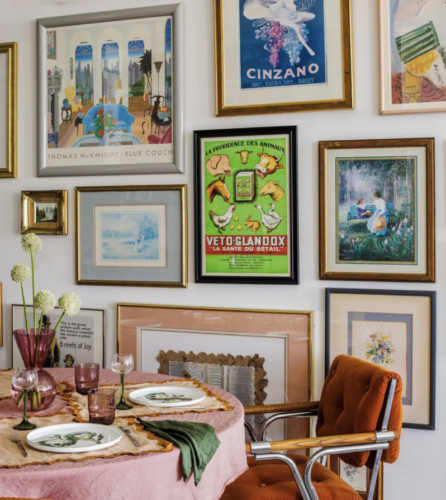
2. Buy for your family today – but think about tomorrow.
Every family is at a different stage. If you have young children, you might gravitate toward vibrant colors, playful imagery, or artists whose work is less visually abstract and tells a narrative story. As children grow older, perhaps your collection evolves too, introducing more challenging ideas based on philosophy, concept or form or contemporary works that are slightly more risque or abstract.
The most successful collections don’t stay frozen in time. They grow alongside the families who live with them. It becomes as powerful as tracing your children’s heights with pencil on the wall or photographs of families growing over time.
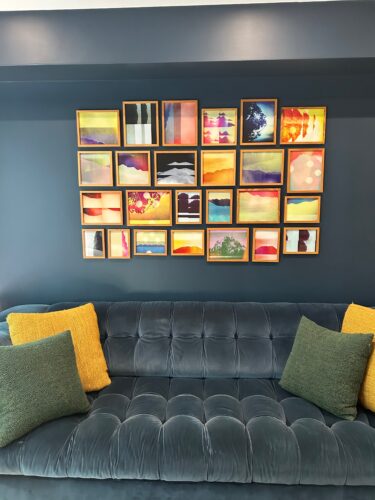
3. Don’t be afraid to have a little fun.
My biggest tip for families? Not every artwork has to be serious!
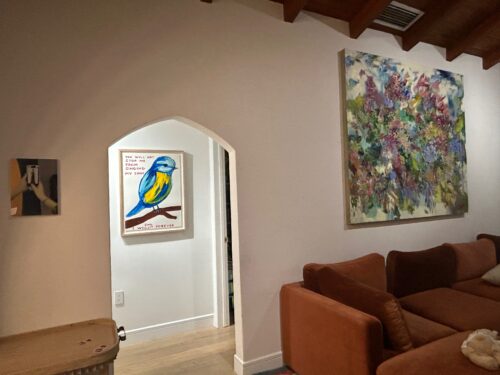
One of Art Market Liaison’s favorite artists to place in family homes is David Shrigley, whose witty, cheeky editions never fail to make people smile. His work has the rare ability to delight both a three-year-old and a seventy-year-old – each finding something completely different to enjoy.
Humor has a place in collecting. Some of the most memorable works in a home aren’t necessarily the largest or most valuable; they’re the ones that make guests stop, laugh, and start a conversation.
4. Mix your media – and your budget!
Building a collection isn’t about buying everything at once either.
Some clients choose to invest in one or two significant signature works with long-term collecting potential, then layer their home with editions, sculpture, ceramics, photography, or works on paper that bring personality and color throughout the space. Then, you can teach your children about your collecting philosophy and market on the way, encouraging them to start their own collecting practice and growing the family collection together.
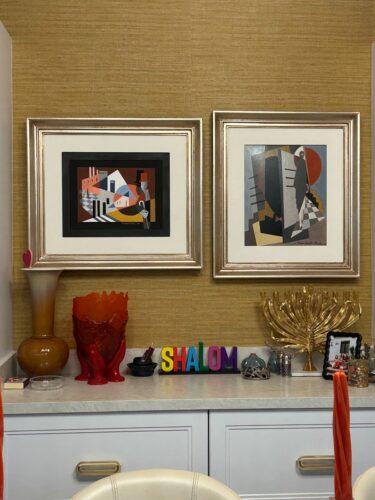
5. Collect with legacy in mind.
One of my favorite questions to ask clients is: “What do you hope your children or grandchildren will remember about your home?”
Perhaps it’s the sculpture they walked past every morning before school, the colorful print above the dining table, or the artwork that became part of every holiday photograph. Those memories become part of the artwork’s story.
Collectors engage with art at every stage of life. A first apartment. A growing family. A new home. Each chapter brings new opportunities to collect with greater purpose and intention.
At Art Market Liaison, we believe every collection should reflect the people who live with it. Whether you’re purchasing your very first print or building a multi-generational collection, our role is to help you find works that create lasting memories for years to come. Reach out now to let us help you advise on your family’s collection.


