
There are certain words in the art world that feel interchangeable until, suddenly, they are not. Biennial. Biennale. Triennial. They circulate easily – in press releases, in conversations at fairs, in the shorthand of curators and collectors mapping their year ahead. But beneath their similarity lies something more revealing: not just a difference in language, but a difference in tempo, in geography, and in how the art world understands time itself.
At their core, such recurring exhibitions are about rhythm. A biennial – or biennale – unfolds every two years. A triennial stretches to three. Simple enough. But the distinctions begin to matter when you consider where these rhythms come from, and what they are trying to measure. For our latest blog post, the Art Market Liaison team is going to help you understand the difference through three major presentations happening in 2026.
Venice Biennale (May 9 to November 22, 2026)
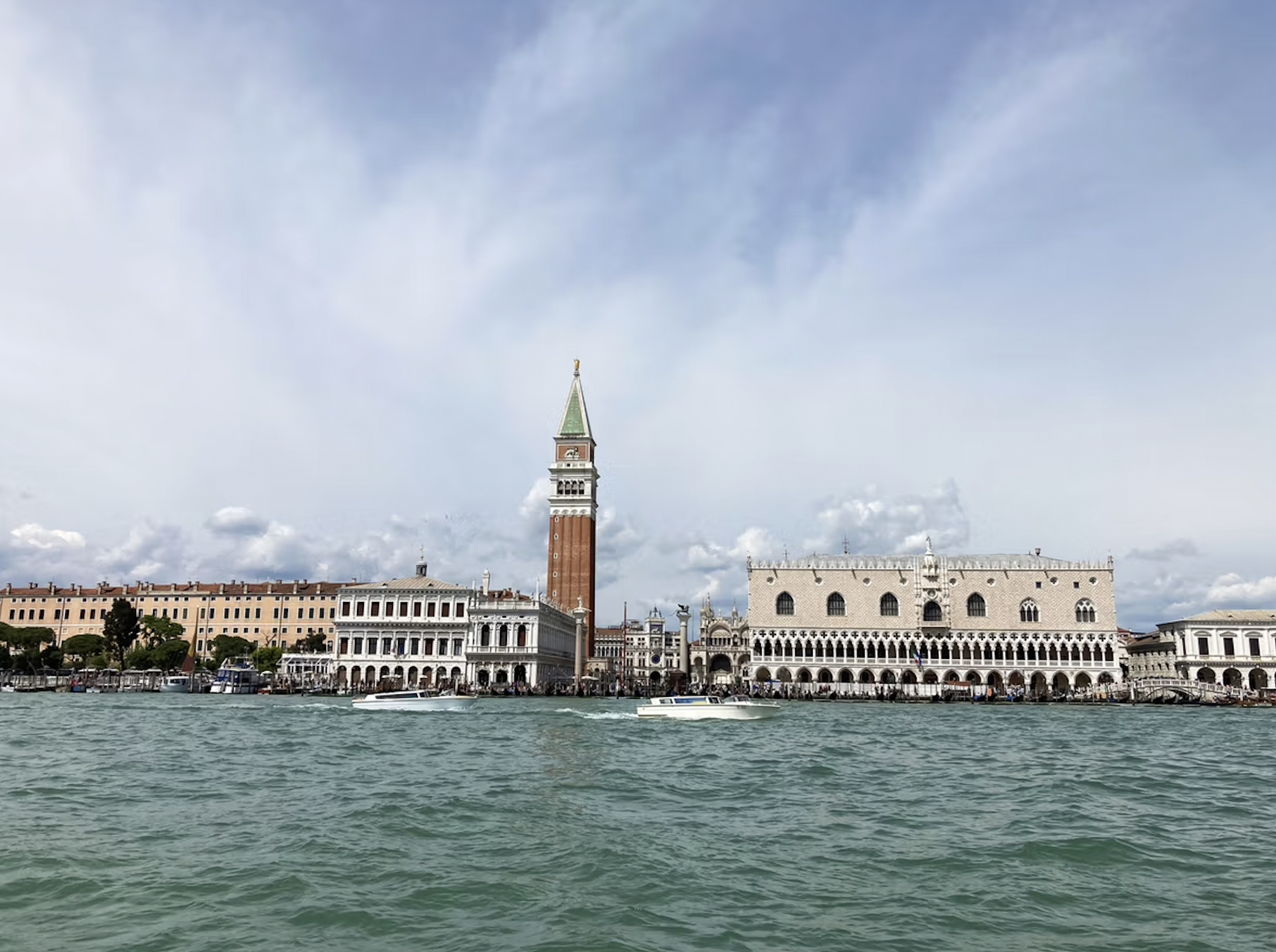
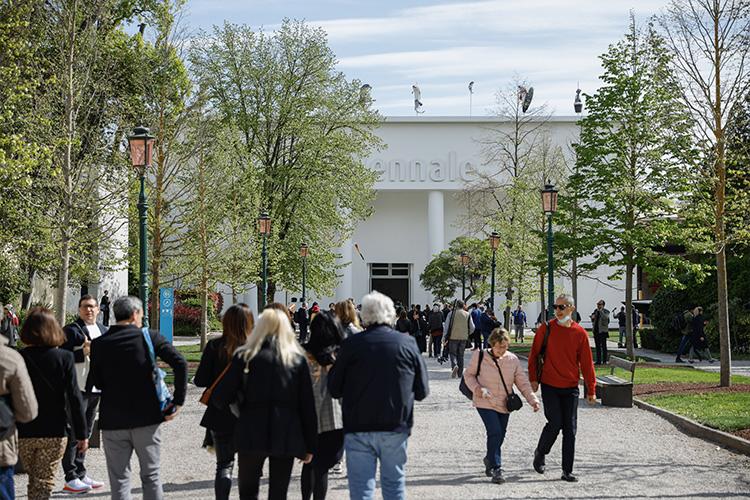
Biennale is simply Italian for “biennial” – something that re-occurs every two years. Founded in 1895, the Venice Biennale did not just establish itself as a recurring exhibition but as a model for how culture could be staged on a global scale. Its structure remains singular: a curated central exhibition set alongside national pavilions, each country presenting its own artists and own sense of identity.
The 2026 edition will, as always, transform Venice into something like a temporary capital of the art world – a place where curators, collectors, artists, and institutions converge not just to see art but to understand the state of contemporary art today – as well as where it’s headed.
Curated by the late Koyo Kouoh, the exhibition is titled In Minor Keys – a musical metaphor that signals a deliberate shift away from spectacle toward something quieter, more introspective. Rather than foregrounding grand narratives or dominant voices, Kouoh’s curatorial vision is attuned to subtler registers: intimacy, memory, and the sensory and emotional undercurrents that shape how we experience the world (as well as art). Bringing together over 100 artists, the exhibition unfolds less as a singular statement than as a constellation of perspectives, exploring non-linear time and deeply personal modes of expression.
And if Venice is expansive, outward-looking, global in ambition, the Whitney biennial offers something more introspective – and something decidedly more American.
Whitney Biennial (March 8 to August 23, 2026)
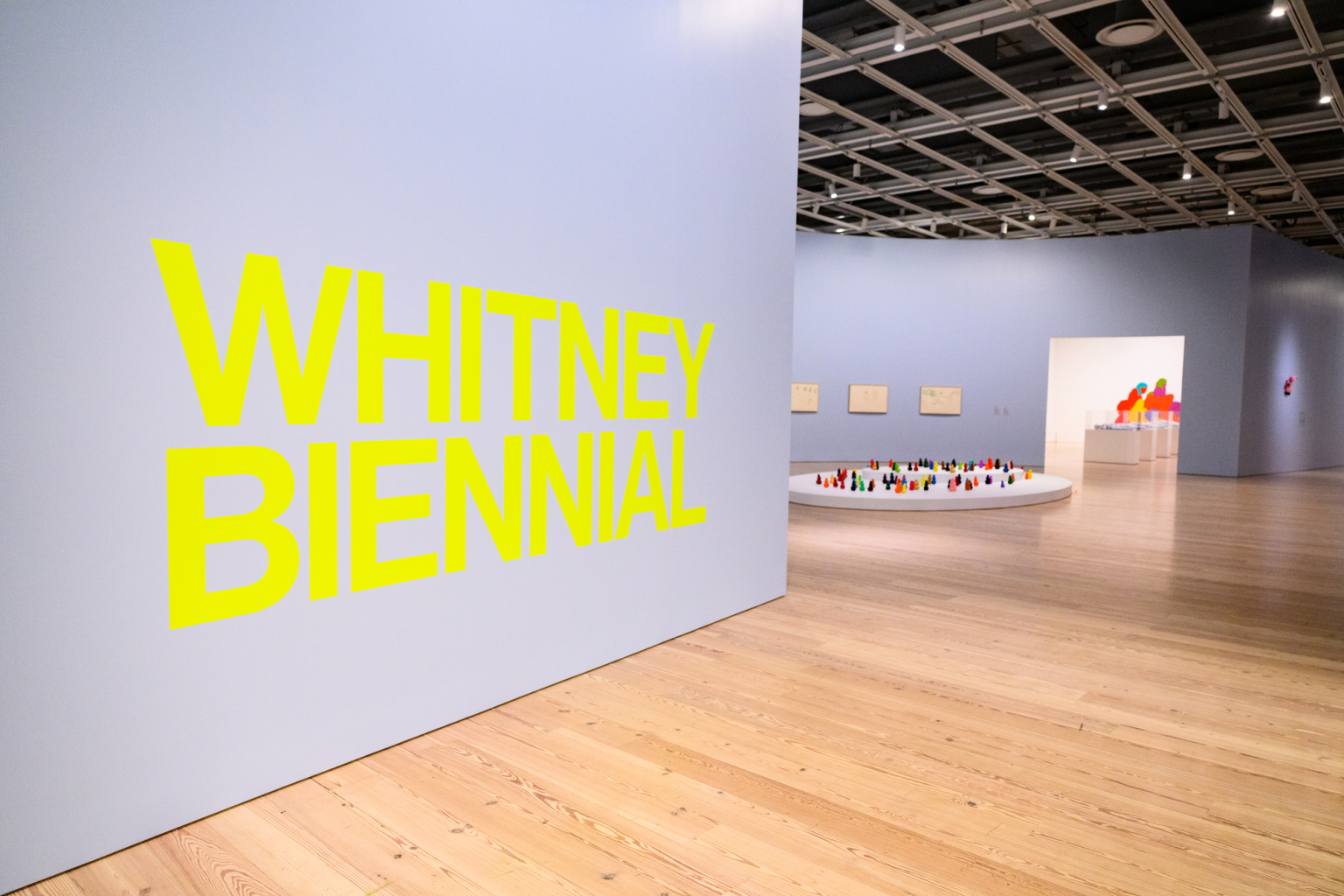
The Whitney Biennial, first staged in 1932 at the Whitney Museum of American Art, turns its gaze inward, towards the state of art in America. It is less concerned with nations than with atmosphere – with what it feels like to make art in the United States today.
Each edition resists easy definition. The 2026 Biennial continues this tendency. Rather than declaring a single curatorial thesis, it leans into relational thinking – the networks between bodies, technologies, ecologies, and histories. It is, in many ways, less about answers than about registering the current mood. Curated by Marcela Guerrero (DeMartini Family Curator) and Drew Sawyer (Sondra Gilman Curator of Photography), this 82nd edition focused on themes of relationality, kinship, ecological anxiety, and infrastructure, featuring 56 artists and collectives exploring how to coexist in a changing world.
Carnegie International (May 2, 2026 to January. 3, 2027)
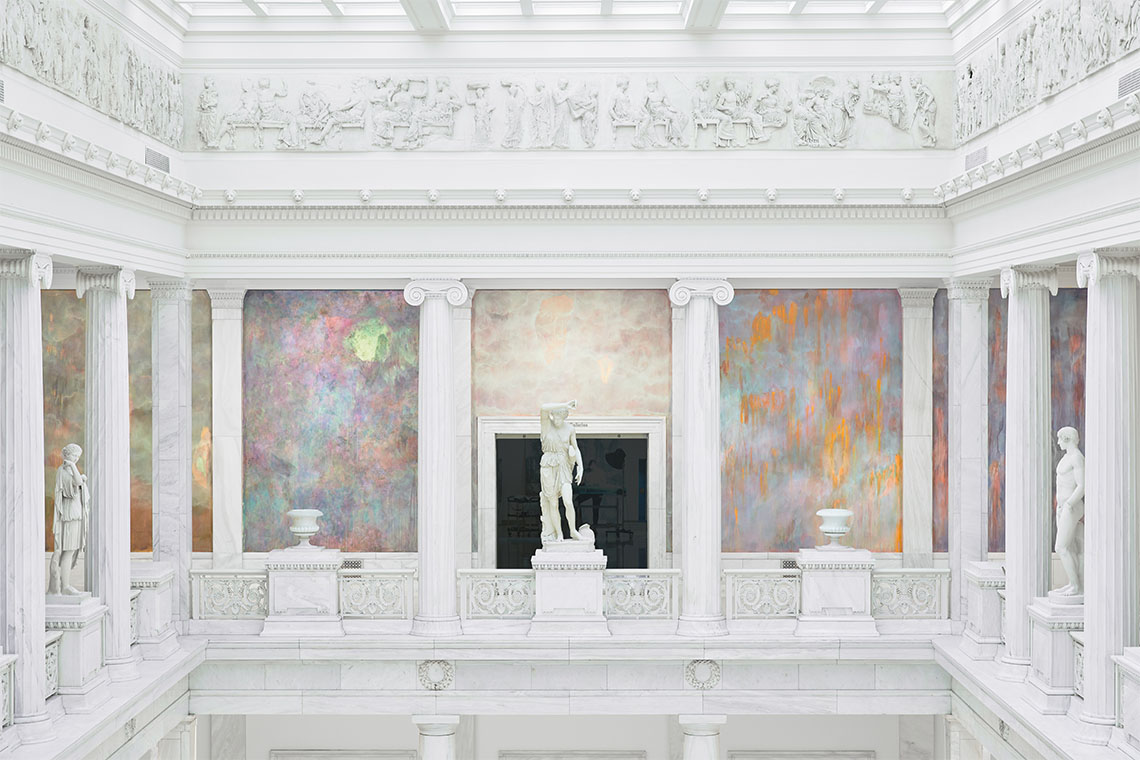
And then there is Pittsburgh. The Carnegie International, founded in 1896 by philanthropist and steel magnate Andrew Carnegie for the Carnegie Museum of Art, is often described as quieter than its counterparts. It does not have Venice’s spectacle, nor the Whitney’s cultural immediacy. But it occupies a unique position: global in scope, institutional in tone, and deeply influential among curators and museums – bringing the international to a more local context.
Jointly curated by Ryan Inouye (Curator of International Art, CMOA), Danielle A. Jackson (Curator at Artists Space), and Liz Park (Curator of Contemporary Art, CMOA), the upcoming edition centers on the idea of a collective “we” – not as a fixed identity, but as something unstable, plural, and constantly negotiated. It is an exhibition that asks less how art looks, and more how it gathers. Titled If the word we, the 2026 edition reflects its largest to date, featuring 61 artists and collectives, and will appear at the Carnegie as well as various institutions across the city including the Children’s Museum of Pittsburgh, the Kamin Science Center, the Mattress Factory, and the Thelma Lovette YMCA.
What’s the Difference? It’s More Than Just Time.
By now, the biennial has become a global language. What began in Venice has proliferated into a network: Sydney, Gwangju, Lyon, Toronto, Bangkok. Each city adapts the model to its own context, becoming both a local lens and a global platform. Increasingly, these events shape not only institutional discourse, but also the movement of collectors – where they travel, what they see, how they decide.
And then, occasionally, the rhythm shifts. Without the urgency of two-year cycles facing biennials, triennials like the Carnegie International tend to feel different: more research-driven, more speculative, less tethered to the immediate present. They are not always trying to capture the now. Instead, they ask what emerges if you step slightly outside of it – if you allow for a longer arc of thought and reflection.
Across the major exhibitions of 2026 – from New York to Pittsburgh to Venice – there is a shared sensibility. A move away from rigid themes, for greater emphasis on cross-disciplinary practices, and works that do not resolve neatly into meaning.
For collectors, this creates a different kind of landscape. The traditional markers – geography, medium, movement – are no longer reliable guides. Instead, attention shifts to patterns across exhibitions, to artists who appear in multiple contexts, to practices that resonate across geographies without being defined by them.
To follow a biennial today is not simply to attend an exhibition. It is to read a signal and understand the state of contemporary art today and where it’s going. And perhaps this is the real distinction between biennial, biennale, and triennial. Not just how often they occur, but what they allow us to see.


