
The art world loves a doomsday story. In May, The New York Times declared: “Sotheby’s $50 Million Giacometti Sculpture Flops at Auction.” One unsold lot instantly became shorthand for the decline of the entire market. Add to that a string of reports about galleries closing their doors, and the narrative is set: collapse is here.
But the truth is more complicated. Tim Blum didn’t close BLUM because of a balance sheet. He said it himself—the grind of the industry and decades of burnout were the deciding factors. Adam Lindemann isn’t being pushed out; he’s retiring to return to collecting. And KASMIN? It didn’t “fail” at all – the gallery is continuing under new leadership, essentially a “rebranding.” After 35 years in business, KASMIN closed its doors to launch a planned transition into a new venture called Olney Gleason, led by Nick Olney, Kasmin’s president since 2020, and Eric Gleason, a senior director since 2013. This wasn’t a market failure – it was a succession plan years in the making. So, if you take the headlines at face value, you miss the nuance. And in the art market, nuance matters.
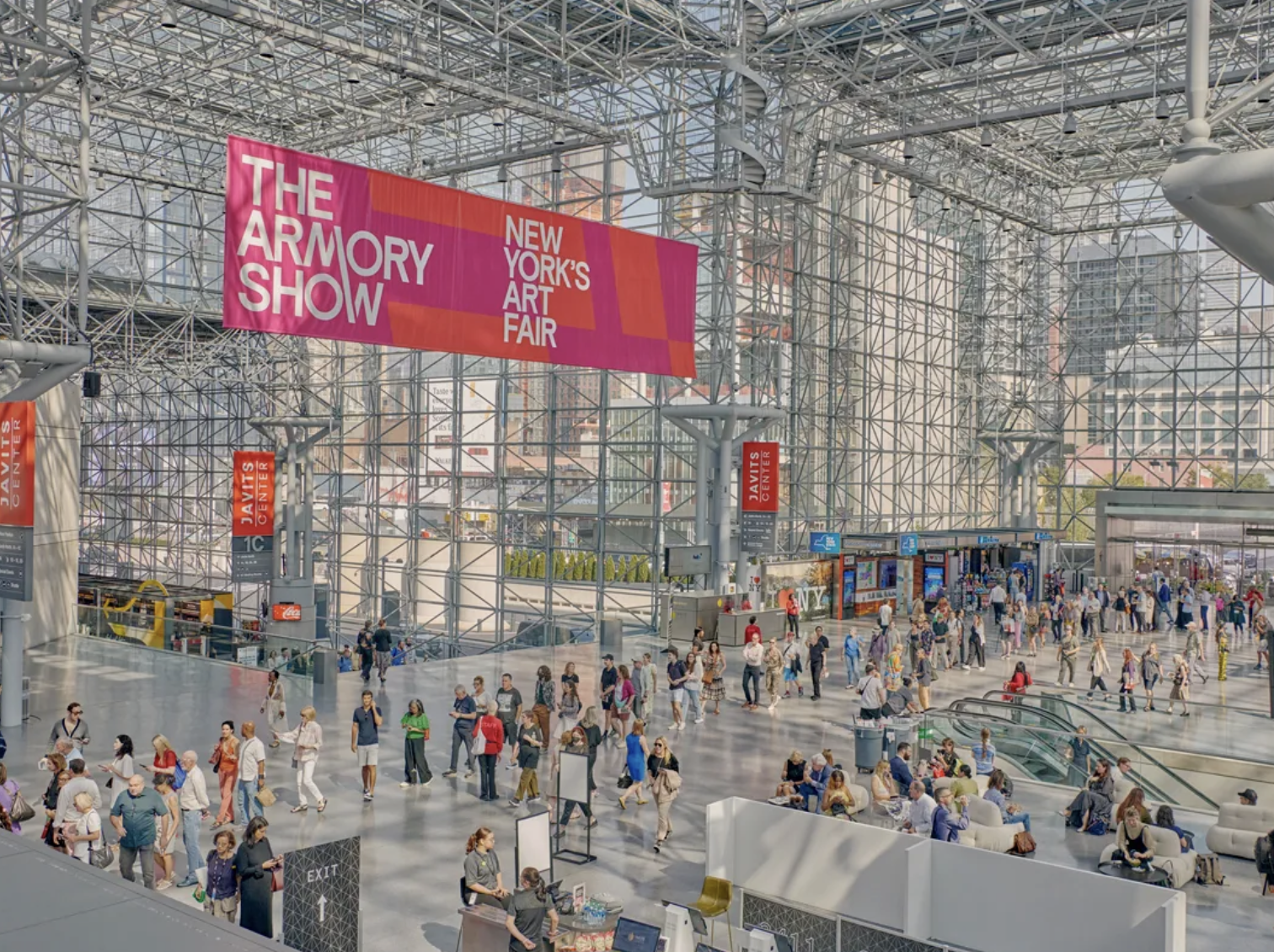
Meanwhile, we’re seeing strength in places the headlines ignore. At the return of this season’s New York fairs, booths at The Armory Show sold out. Collectors were buying with intent. New galleries opened their doors. Those aren’t the signs of a market in freefall – they’re the signs of a market recalibrating, maturing, and yes, becoming more competitive.
Reports from the Armory Show’s VIP preview revealed galleries selling about 70% of their booths on their first day, while multiple galleries reported strong sales across various price points. Seven-figure deals are still going through – with at least three occurring in a single week during the recent fair season, according to industry insiders.
As Daniel Cassady of ARTnews asked pointedly: “Is art-market reporting fair, and what responsibility does the press bear at a fragile moment for the market?” The responsibility is real – because sensationalism obscures reality.
Kenny Schachter, artist, dealer, and Artnet columnist, criticized the “onslaught of negativity,” arguing that reporters have a responsibility to tell the truth, not create a self-fulfilling prophecy. As he put it: “You can’t just harvest negativity because it makes for clicks. It’s not the case, and it’s not the whole story.”
The issue isn’t that challenges don’t exist – they do. Rising costs, fair fatigue, and shifting collector behavior are real concerns. But as Gordon VeneKlasen of Michael Werner Gallery noted, these are not symptoms of collapse but overdue corrections.
Art market downturns aren’t new. Veteran art market journalist Georgina Adam, who has been covering the market since the early 1990s, notes in ARTnews: “The market really isn’t good at the moment, but the downturns of the early 1990s and of 2008 were far worse.”
In 2009, collectors vanished and auction houses saw paintings once fought over suddenly passed with no bids, with blue-chip names halved in value. By 2011, the market was back to pre-crash levels; by 2014, it had surpassed them. Those doomsayers of 2009 looked foolish just five years later. And we were all here to witness the recent rebounds – even growth – brought on by COVID.
What we’re witnessing then isn’t the art market’s death throes but it’s maturation. Just as the downturn after 1990 produced “an opposition to those big machismo personalities of the ’80s,” today’s turbulence is fostering interest in overlooked artists, historical rediscoveries, and works at a more affordable, less risk-averse price point.
It’s true: collectors today are more selective. Choices are more refined, competition sharper. That isn’t a crisis; it’s discipline. While the super high-end and masterpiece market may suffer from a slight wobble, the base of the market – the part that ensures its continuity – is alive with new energy.
In this kind of climate, the role of an art advisor has never been more essential—to help cut through the noise, identify real opportunities, and guide acquisitions that endure when the headlines scream chaos. The market isn’t collapsing. It’s evolving. Markets breathe. They contract and they expand. They pause, then lurch forward. What we can learn from history is that these cycles create opportunities for renewal, fresh talent, and innovative approaches.
While headlines create uncertainty and some buyers retreat, opportunities abound for those with knowledge and conviction. An experienced advisor can help you:
- Navigate beyond sensational headlines to identify real opportunities.
- Distinguish between genuine market corrections and media-driven panic.
- Access deals motivated by in-depth research and insider expertise – rather than headlines.
- Build collections strategically while others hesitate.
At Art Market Liaison, we believe in reading beyond the headlines. In helping collectors navigate not just what’s trending, but what’s lasting. So the next time you see “Doomsday!” splashed across your feed, remember: the market isn’t falling apart. It’s just changing. And with the right guidance, change is opportunity.
Ready to cut through the noise and chart your next move with confidence? Get in touch with our team at Art Market Liaison to discover how current market conditions might create opportunities aligned with your collecting goals.


