
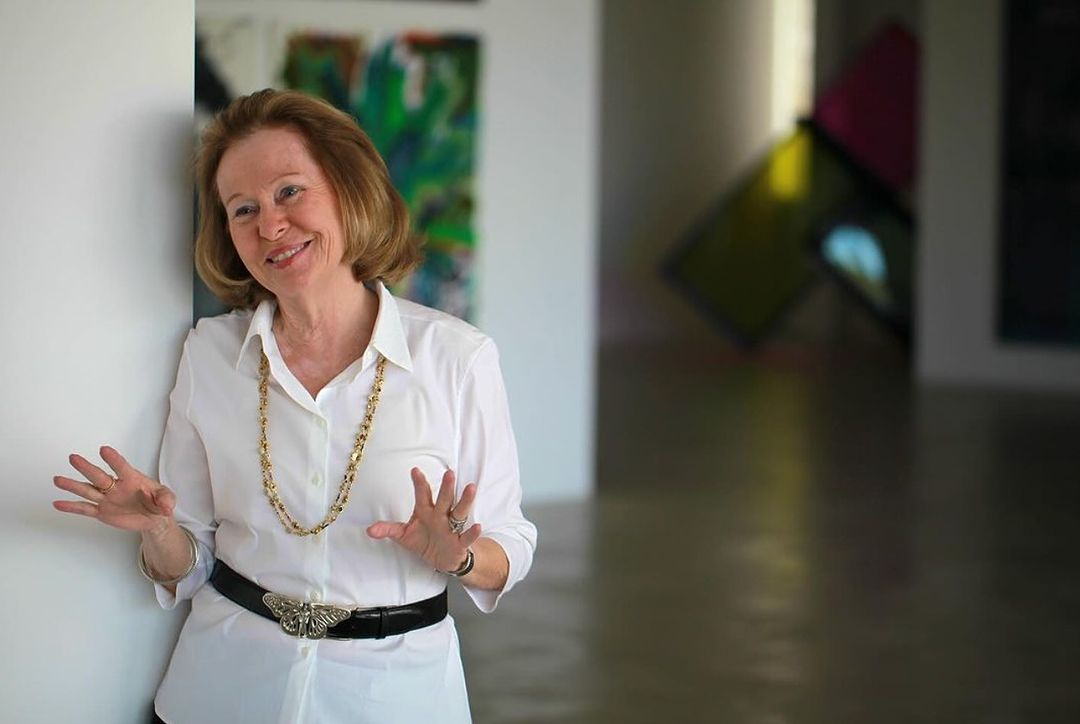
Miami’s art scene owes much of its vibrancy and depth to the influential collector Rosa de la Cruz. Starting her collection journey in the late 1980s from her home, which she later opened to the public, Rosa became a pivotal figure in Miami’s art community. Her approach to collecting and her contributions to the art world offer valuable lessons on how – and why – to build a legacy collection that supports the next generation of artists while contributing to the development of contemporary art.
Like so many pioneering collectors before her, Rosa de la Cruz supported the careers of numerous contemporary artists, positioning many of them on the world stage. Not only did she create her own legacy collection but she grew the legacies of the artists she supported.
One of the hallmarks of Rosa de la Cruz’s collection was her commitment to collecting artists in depth. Rather than acquiring a few pieces from many artists, she collected multiple works from the same artists over the years. This approach allowed her collection to showcase the evolution of each artist’s style and body of work, providing a comprehensive view of their artistic journey, while supporting them throughout the duration of their career.
Rosa de la Cruz also had a unique vision that wove Latin American artists into the broader conversation of contemporary art. She didn’t segregate genres; instead, she integrated them, elevating Latin American artists to the international stage. This inclusive approach enriched the global art dialogue and brought much-deserved recognition to many talented artists from Latin America.
In 2009, the De La Cruz Collection Museum opened in the Miami Design District, serving the community until 2024. During this time, many of us in the Miami art community had the privilege of meeting Rosa, working with her, and listening to her insightful discussions about various artworks. Her passion and brilliance left a lasting impact on everyone who crossed her path. Up until her death, she still hosted the iconic first day Art Basel Miami Beach brunch out of her home, offering others the opportunity to experience her epic collection.
Through her Museum, de la Cruz’s contributions extended beyond her collection to community engagement and educational programming. The Museum organized lectures, provided scholarships for high school students from DASH to study in New York, supported educational travel to Europe for New World School of the Arts college students, and hosted summer workshops for grade school children. These initiatives underscored her belief in the transformative power of art education.
With Rosa de la Cruz’s passing, the leadership of the collection faced the challenge of honoring her legacy. Believing that no one could lead the collection as she did, her family decided to donate many pieces locally, retain several within the family, and recently auctioned significant highlights at Christie’s. Notable auction highlights included works by Hernan Bas, Ana Mendieta, and Rufino Tamayo – the first painting Rosa and her husband ever bought together.
Art Market Liasion’s Lessons on Building a Legacy Collection:
- Passion and Vision: Like Rosa, start with a genuine passion for art and a clear vision of what you want to achieve with your collection.
- Depth Over Breadth: Collect works from artists in depth to understand and showcase their evolution. This is also crucial in helping emerging artists sustain their careers.
- Community Engagement: How could your collection engage with the broader community? Are you focused on supporting a particular segment of society, like Rosa did with artists from Latin America? Or could you open your collection to the public to inspire others through art?
- Impact: What could be the broader impact of your collection? How would you like your collection to be seen for generations to come?
- Educational Contributions: Could you start a scholarship in your name to foster future generations of artists and art enthusiasts? Or support a local residency?
- Inclusive Approach: Integrate diverse genres and artists to enrich the art conversation, providing more opportunities for artists from different backgrounds.


